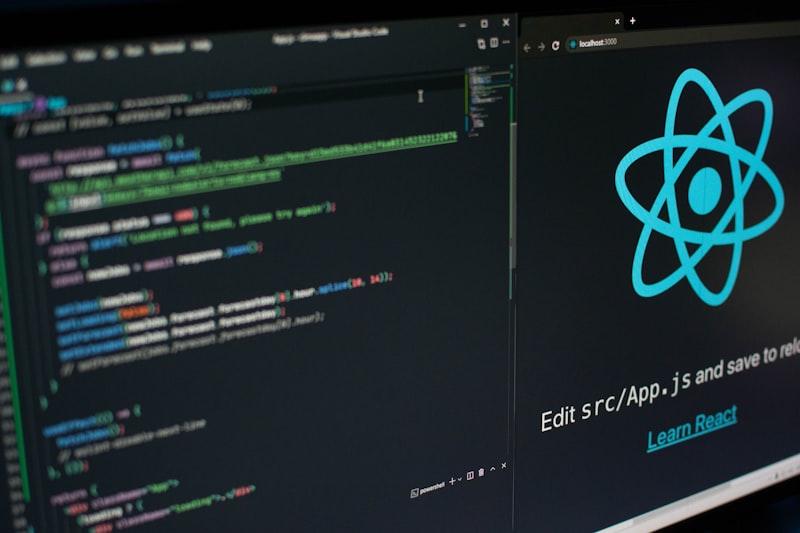
React 20 shipped quietly but its impact on frontend development has been anything but quiet. The concurrent rendering model, compiler optimizations, and new hooks represent the most significant shift in React architecture since the introduction of hooks in 2019.
The React Compiler Changes Everything
The most headline-grabbing addition in React 20 is the production-stable React Compiler, previously known as React Forget. The compiler automatically memoizes components and values that were previously memo-wrapped manually. In practice, this means removing hundreds of useMemo and useCallback calls from codebases with zero behavioral change — and often measurable performance improvements, because the compiler makes better memoization decisions than humans do consistently.
useTransition and Concurrent Mode in Practice
Concurrent rendering is no longer experimental. The pattern of wrapping expensive state updates in startTransition has become idiomatic React. When a user types in a search box connected to a filtered list of 10,000 items, wrapping the filter update in useTransition keeps the input responsive while React deprioritizes the expensive re-render. The result feels dramatically more polished with surprisingly little code change.

Key Takeaways
- Start small — identify one specific problem you want to solve and solve it well before expanding scope.
- Invest in observability from day one. You cannot improve what you cannot measure.
- Build for failure. Assume components will fail and design your system to degrade gracefully.
- Documentation is not optional. The system you build today will be maintained by someone else tomorrow.
"The best engineers aren't those who know the most — they're those who ask the right questions and learn relentlessly." — Readora Editorial Team
Looking Ahead
The pace of change in this space shows no signs of slowing. Teams that invest now in building sound foundations — good tooling, clear processes, and disciplined engineering culture — will find themselves well positioned as the landscape evolves. The organizations struggling are those chasing the newest shiny tool while neglecting fundamentals.
The most durable competitive advantage in technology is not what you build, but how reliably and quickly you can build, learn, and iterate. That is a function of people, process, and culture — and no amount of tooling substitutes for getting those right.